


 Previous
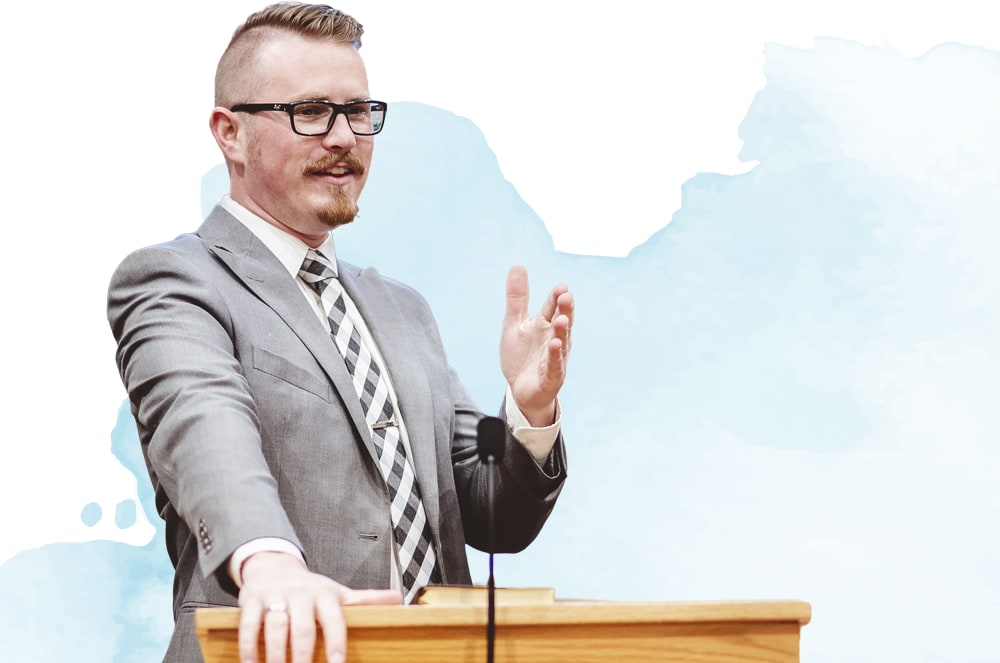
As we sat around the dining room table, my sister and I discussed who would give the eulogy at our dad’s funeral. We considered not having one at the service, but I knew Dad deserved it. At 93, he was the longtime patriarch of the family. He was bigger than life, so I volunteered to give the eulogy.
For many of us, a eulogy is the most important and difficult speech we will ever give. Whether we are asked to speak about a parent, sibling, spouse, or friend, saying goodbye to them in front of friends and family is tough. You have the opportunity to tell the audience what kind of person they were and how their absence will affect those who knew them best. So it’s important that you are prepared.
Creating the Eulogy
- Find an Organizing Purpose
When preparing a eulogy, first ask yourself, what is the purpose of my speech? The answer seems simple—you want to honor the person. But beyond that, what do you want the audience to take away? Do you want to inform those attending what your loved one accomplished in their life? Do you want to inspire them to live a life like your dad did or to be the best mother a daughter could hope for? Do you want to regale those in attendance with stories and anecdotes about a brother who was larger than life? Or do you simply want to let the audience know why you will miss your best friend? - Outline Your Points
Once you decide the purpose of your speech, put together a robust, detailed outline that supports your purpose. For example, if you want to share their accomplishments, you can give a chronological account of their life. To present a lighthearted picture, arrange your speech around specific events or photos of them. To portray their character, organize your speech around their work, hobbies, vacations, or things you remember doing with them. Share specific examples, and consider telling stories the audience may not have heard before.
- Find an Opening Anecdote
Just like any other speech, the eulogy needs an opening that captures the audience’s attention. In this case, it helps to start with a phrase, word, or summation of who your loved one was; something you want the audience to remember. It can be as simple as “my dad was a great man, person, father, all wrapped up in a blue Kentucky Wildcat blanket.” Or it can be playful: “John was the only person who could be the life of his own wake, and I am here to make that happen.” Or “you knew him as Mayor Gray, but I knew him as my brother and best friend.” Use the rest of your eulogy to explain why they were a great person. - Choose Meaningful Closing Remarks
In addition to an engaging opening, you should have a strong and memorable closing. People have short attention spans and often only remember what they heard last. Use the closing as your last chance to say something meaningful about your loved one. - Practice, Practice, Practice
Whenever you have enough time to go through your speech, do it. If you have an opportunity, present your eulogy to your Toastmasters club and ask for specific feedback. Your speech should be no more than 10-12 minutes, and allow yourself time to pause if you feel tearful and need to compose yourself. Don’t be afraid to refer to your written script. In addition to being an emotional event, funerals often happen rather quickly, leaving not much time to prepare your speech.

Handling Your Emotions
Despite your best efforts, you will likely have a time when you are overcome with emotion, perhaps you will even break down or come close to tears. When you feel that urge, step back, take a breath, and wait for the feeling of emotional eruption to pass. When you are ready, step back up and continue. If you mumbled some words before you stopped, repeat them and continue with your speech.
You do not need to apologize for your own interruptions. The audience knows this is difficult, and they appreciate your efforts. Just know that you won’t always break down in the same part of your speech that you did during practice. You may become overwhelmed in a part of your speech that you didn’t think was going to be difficult, and it may happen more than once.
Remember that you will not be the only one with emotion either. There will likely be people in the audience crying, and they might be audible during parts of your speech. You can’t control that, but you can make a conscious effort to know where those people are seated so you can look another way when you become emotional or when they start to react. When I gave the eulogy for my dad, I located people on both sides of the room who were friends of my dad’s brothers-in-law. They were interested in what I had to say, but not emotional. When I felt my emotions creep up or saw someone else getting emotional, I looked straight at them.
And don’t be afraid of humor. This is a sad event, but a little smile can help everyone get through the service. There is no better way to demonstrate a person’s demeanor, or their character, than a humorous story. Let yourself and everyone else laugh a little with you.
The Venue
Once you arrive at the venue, find out where you will be delivering the eulogy. If you have notes or a written speech and want to have them waiting for you at the lectern, find out if you can place them there before the service starts. I would also suggest putting a water bottle within your reach.
Remember, this is not your ordinary Toastmasters speech. You do not need to walk around, gesturing, entertaining the crowd. If there is a lectern, use it.
Lastly, there may be others who talk before you, and they may say some of the same things you had planned to say, but don’t panic. If you think your words would be redundant and would lose the intended impact, skip them. This happened before my speech when the preacher mentioned how many Georges were in our family. I didn’t want to repeat it so I cut it. But resist the temptation to make big changes or leave out portions of your speech because someone else said something similar. You took the time to put together a heartfelt tribute so you should give the speech as you intended.

Giving a eulogy is tough, but it’s also an honor. You have an advantage; you have Toastmasters training. Make your loved one proud by sharing a tribute to their life and legacy.

Share this article


George Kiser is a member of South County Toastmasters Club in St. Louis, Missouri. He practices asbestos defense litigation in Illinois and Missouri and has been a lawyer for over 35 years. He is married with two children and gave the eulogy at his father’s funeral wake.
 Previous Article
Related Articles

Communication
Delivering a Heartfelt Farewell
Club Experience